Before Your Shed Arrives: Prep Work You Can Do
So, you've decided to add a shed to your property. Good call! Whether it's for extra storage, a workshop, or even a she-shed, getting it delivered and installed properly is key to making it last. A lot of folks think the hard part is picking the shed, but there's a bunch of stuff you need to sort out before it even shows up. Trust me, a little planning now saves a lot of headaches later.
First things first: zoning and permits. This is probably the least fun part, but it's non-negotiable. In Oakdale, like most places, there are rules about where you can put a structure, how big it can be, and how close it can be to property lines. You don't want to get your shed all set up only to find out you have to move it or, worse, tear it down. Check with the city's planning department. They'll tell you what's what. Most smaller sheds (under 120 sq ft) don't need a building permit, but setbacks are always a thing. You'll also want to know if there are any HOA rules if you live in a planned community like those out near the golf course.
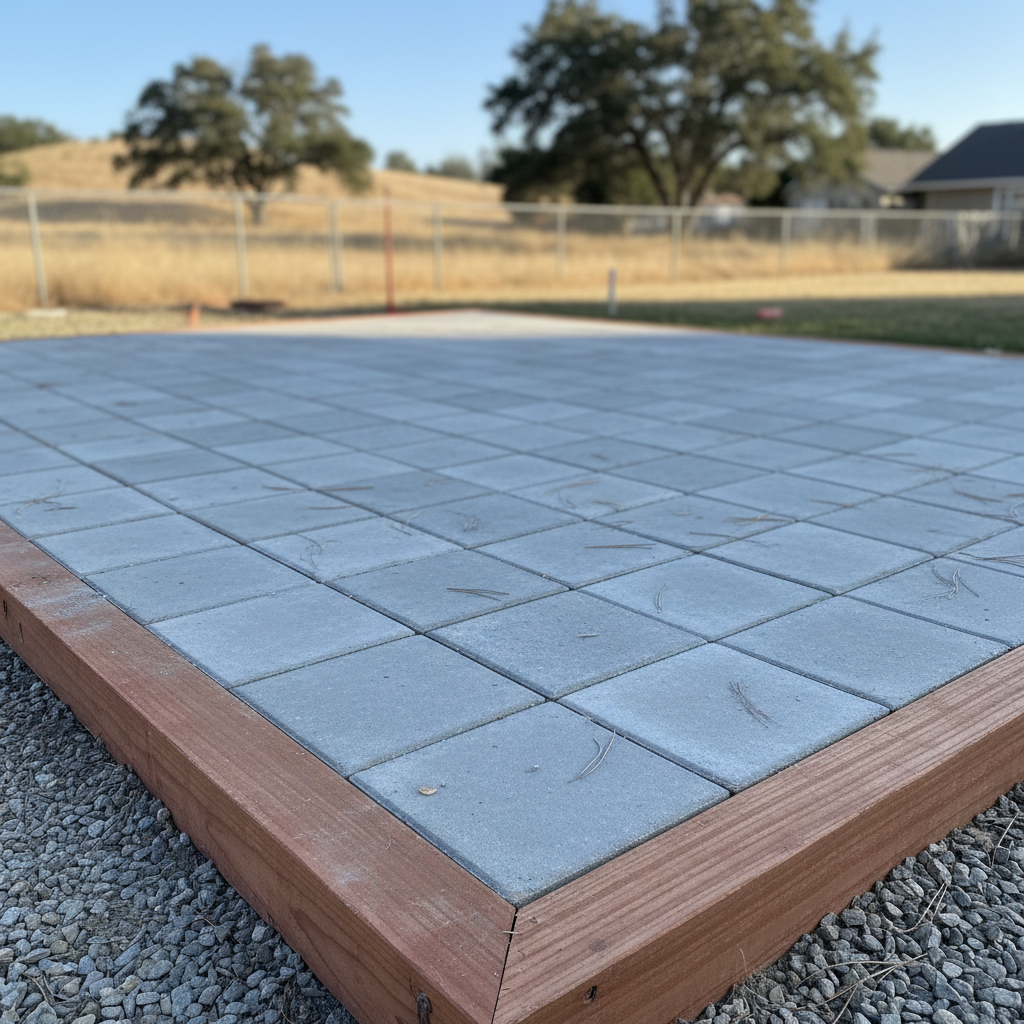
Next up, the site itself. You need a level spot. I can't stress this enough. A shed that's not level will have doors that don't close right, windows that stick, and it'll just generally fall apart faster. For smaller sheds, you might be able to level the ground yourself with some gravel and pavers. We're talking about a few inches here, not a major excavation. If your yard slopes significantly, or you're getting a bigger shed, you're probably looking at a more substantial foundation. This is where a pro comes in. They can pour a concrete slab or build a proper gravel pad that's perfectly level and drains well. Don't skimp here; it's the backbone of your shed.
Think about access, too. How's the delivery truck going to get to the spot? Are there trees, fences, or narrow gates in the way? Most shed delivery companies use specialized equipment, like a Mule or a tilt-bed trailer, to maneuver the shed into place. They need a clear path. Trim those low-hanging branches, move that old grill, and make sure there's enough room for them to work. It's usually a good idea to mark out where you want the shed to go with stakes or spray paint, so there's no confusion on delivery day.
Delivery Day: What to Expect and How to Help
When the shed arrives, be there. Seriously, be present. This is your chance to confirm everything looks right before they start setting it down. The delivery crew from Oakdale Shed Solutions, or whoever you've hired, are pros, but it's your property and your shed. Point out the exact spot you marked. Watch them as they maneuver it. If you've done your prep work, this part should go pretty smoothly.
Most sheds are delivered fully assembled or in large pre-built panels. The crew will typically use their equipment to get it off the truck and into its final position. They'll then level it using shims or blocks as needed. This is critical for the shed's longevity and functionality. Make sure the doors and windows operate freely once it's set. If anything looks off, speak up immediately. It's much easier to fix things while the crew is still there.
For bigger sheds or custom builds, installation might take a bit longer. If it's a kit or panelized shed that needs assembly on site, the crew will handle that. Again, having a clear, level foundation is going to make their job, and your life, a lot easier. They'll usually anchor the shed down to prevent it from shifting, especially important with our occasional strong winds here in the Valley. You don't want your shed ending up in your neighbor's yard during a winter storm.
After Installation: Keeping Your Shed in Top Shape
Okay, the shed's in place, it's level, and everything works. Great! Your job isn't quite done, though. There are a few things you should do to make sure your investment lasts.
- Check for Gaps: Walk around the shed, inside and out. Look for any small gaps where critters could get in or water could seep. Seal them up with caulk or expanding foam.
- Drainage: Make sure water is draining away from the shed's foundation. If not, you might need to add some gravel or a small trench to direct runoff. Standing water around the base is a shed killer. Our clay soil here in Oakdale doesn't drain super fast, so this is extra important.
- Paint or Stain: If your shed isn't pre-finished, get it painted or stained soon after installation. This protects the wood from the elements – sun, rain, and everything else our Central Valley weather throws at it. A good quality exterior paint or stain will add years to its life.
- Maintenance: Just like your house, your shed needs a little love. Check the roof annually for damage, clean out gutters if it has them, and inspect the doors and windows. Lubricate hinges, tighten screws, and keep an eye out for pests.
By taking these steps, you'll ensure your new shed is a functional, long-lasting addition to your property. It's not just about getting it there; it's about getting it right and keeping it that way.