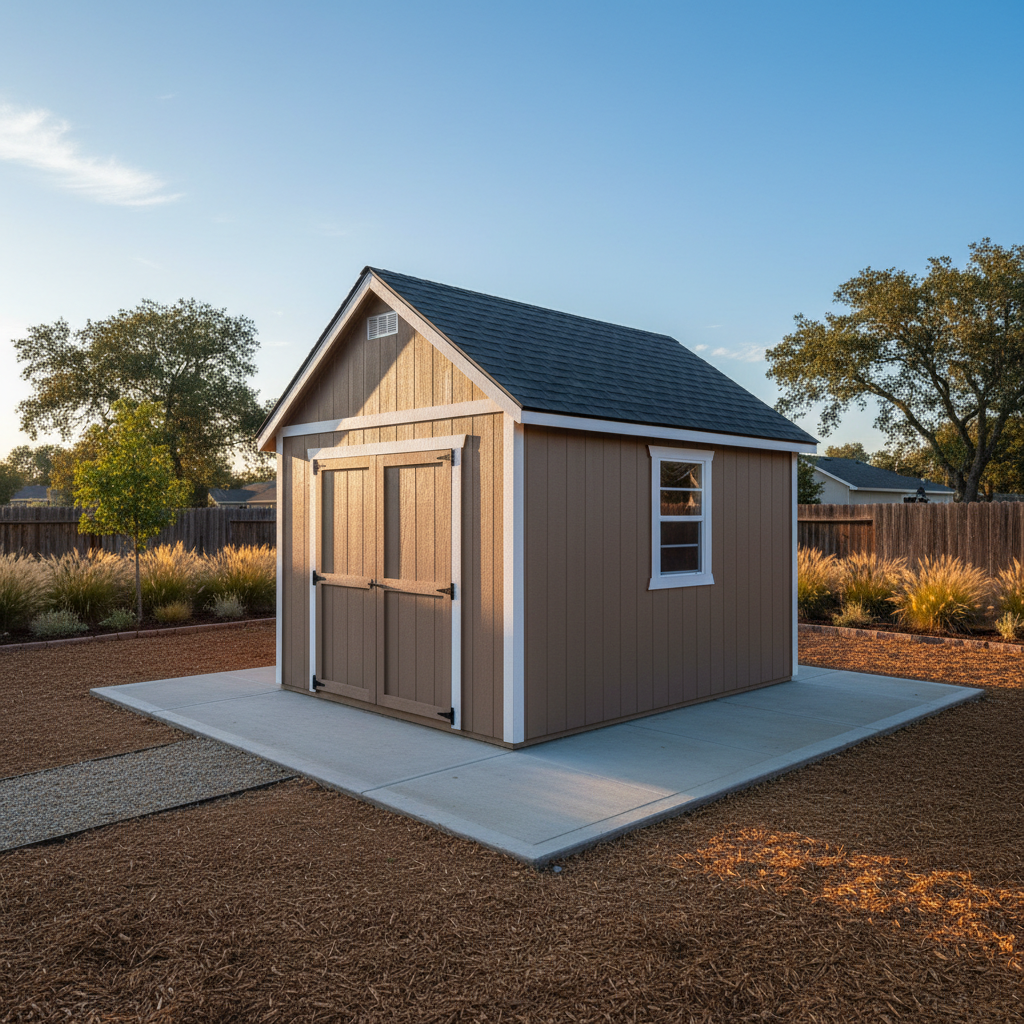
Your garage isn't just a spot to park your car; often, it's the biggest storage unit you own, maybe a workshop, or even extra living space. Here in Oakdale, with our scorching summers and those occasional heavy rains, your garage really takes a beating. Ignore it, and you'll probably face some expensive repairs down the road. But with just a little regular attention, you can keep it solid for decades.
How I've Seen Garages Last: Extending Their Life
I've built and worked on enough structures around here to know one thing for sure: preventative care always costs less than emergency fixes. For garages, that means focusing on a few key areas that truly make a difference.
- Sealants are Your Best Friend: The sun here is no joke. It bakes everything, doesn't it? Check the caulking around windows, doors, and any trim where different materials meet. Cracks let water in, and once water gets behind siding or into the framing, you've got much bigger problems. Re-caulk with a good quality exterior sealant every few years, or as soon as you see cracks forming.
- Roof Inspections Matter: Don't wait for a leak to pop up. Get up there (safely, please, or hire someone) every year. Look for missing or cracked shingles, especially after a windy storm. Pay close attention to flashing around vents and chimneys. Our dry heat can make shingles brittle, and then a sudden downpour can really expose those weak spots.
- Keep Gutters Clear: This one seems obvious, but you'd be surprised how many folks forget. Clogged gutters mean water overflows and pools around your foundation, or it runs down your siding, causing rot and potential foundation trouble. Clean them out twice a year, or more often if you've got lots of trees nearby.
- Paint and Siding Protection: A good coat of paint isn't just for looks; it's a protective barrier. If your garage has wood siding, keep an eye out for peeling paint or exposed wood. Repaint or re-stain as needed. For stucco, look for cracks and fix them promptly.
- Door Maintenance: Your garage door is a pretty complex system. Lubricate moving parts – hinges, rollers, springs – every year with a silicone-based lubricant. Check the balance of the door; if it doesn't stay put halfway open, the springs might need adjusting. This is often best left to a pro, as those springs are under serious tension.
Regular Maintenance: Your Checklist
Here's a simple routine that'll keep your garage humming along nicely:
- Monthly: Test your garage door's auto-reverse feature. Place a 2x4 flat on the ground in the door's path. The door should reverse upon contact. If it doesn't, adjust it or call a professional. Also, visually inspect the door's cables and springs for wear or fraying.
- Quarterly: Clean out gutters. Sweep out debris from inside the garage. Check for pest activity – spiders, ants, rodents, they all love garages, don't they? Seal up any small entry points you find.
- Annually (Spring or Fall): Do a full exterior inspection. Check the roof, siding, trim, and caulking. Wash the exterior if it needs it. Clean and lubricate garage door parts. Check the weatherstripping around the garage door and replace it if it's cracked or stiff. Check for proper drainage around the foundation – make sure water flows away from the structure.
- Every 2-5 Years: Depending on exposure, think about repainting or re-sealing exterior surfaces. Have a professional inspect your garage door opener and springs.
Warning Signs You Shouldn't Ignore
Catching these early can save you a whole lot of headache and money:
- Cracks in the Foundation or Walls: Small hairline cracks might be normal, but anything wider than a quarter-inch, or cracks that are growing, could point to a structural issue. Especially if they're stair-stepping in brick or block.
- Sagging Roofline or Bowing Walls: This is a huge red flag. It means there's a structural problem that needs immediate attention.
- Water Stains or Musty Smells: These are clear signs of a leak or moisture getting in. Find the source and fix it. Mold can grow quickly in our climate once it gets a foothold.
- Difficulty Opening/Closing Garage Door: If your door is sticking, making unusual noises, or struggling, don't force it. It could be a simple adjustment or a sign of a failing opener or a broken spring.
- Pest Infestations: Termites, carpenter ants, and rodents can do serious damage if you leave them unchecked. Look for droppings, chewed wood, or mud tubes.
When to Call a Professional
Look, I'm a big believer in DIY where it makes sense. But some jobs are really best left to the pros. If you're dealing with anything structural, electrical, or high-tension like garage door springs, call someone who knows what they're doing. For anything beyond basic fixes, it's worth getting an expert opinion. Here at Oakdale Shed Solutions, we don't just build new structures; we understand how they're put together and what makes them last. If you're unsure about a crack, a leak, or a strange noise, a quick inspection can give you some peace of mind or prevent a minor issue from becoming a major expense. Don't gamble with your garage's integrity.